JINU JOSEPH
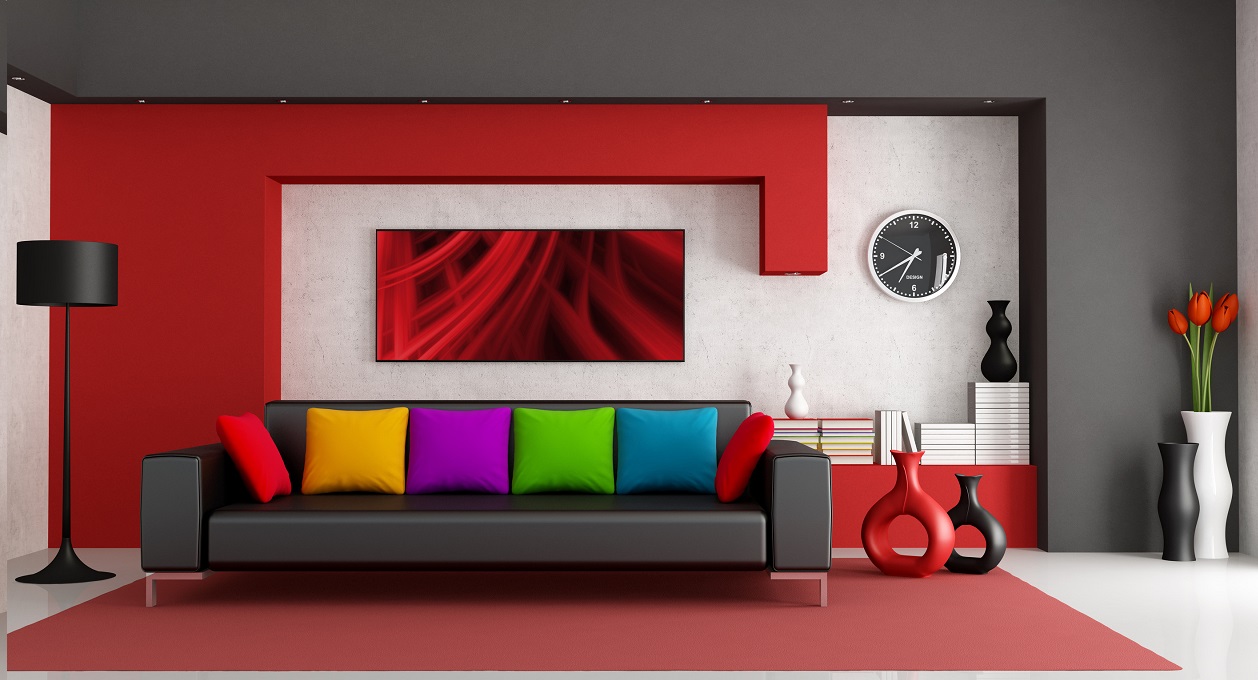
INTERIOR DECORATION
PRODUCT, VISUAL ART
With a Civil Engineering background i love to do some interior decoration in my free time. A Beautifully decorated interior not only functions well but it creates a mood or a feeling and shows off the personality of the family that lives there. It’s attention to these three important ingredients — function, mood and personality — that ensures decorating success.
Function
- The focal point: Sometimes rooms have natural focal points (places the eyes travel to immediately upon entering a room) — a fireplace, a bay window with a view, maybe even a built-in bookcase. If the room doesn’t have a natural focal point, create one with a dynamic piece of art or a colorful area rug.
- The furniture: Determine whether the furniture satisfies the functions you’ve planned for the room. If a piece isn’t working or if it’s too large or too small for the size of the room, get rid of it or trade it for something else around the house that may be more appropriate.
- The lighting: Lighting should be selected for the functions of the room as well as for visual appeal. Every task will require either direct lighting from a lamp or indirect lights that simply brighten the room for conversation or TV-watching. Accent lighting — floor spots, track lighting or recessed spotlights — enhance texture, color and room details.
- The furniture arrangement: Draw your room on graph paper. Measure and mark electrical outlets and switches, vents, windows and doors. Measure your furniture and place it in your floor plan. Generally, the main furniture pieces are directed toward the focal point, keeping the major traffic patterns open. Fill in with pieces you’d like to have that may or may not be available now. Be sure to balance high and low pieces as well as heavy and light ones around the room.
Mood
- Keep the background color the same.
- Make sure all patterns share the same colors.
- Vary the scale or sizes of the patterns.